
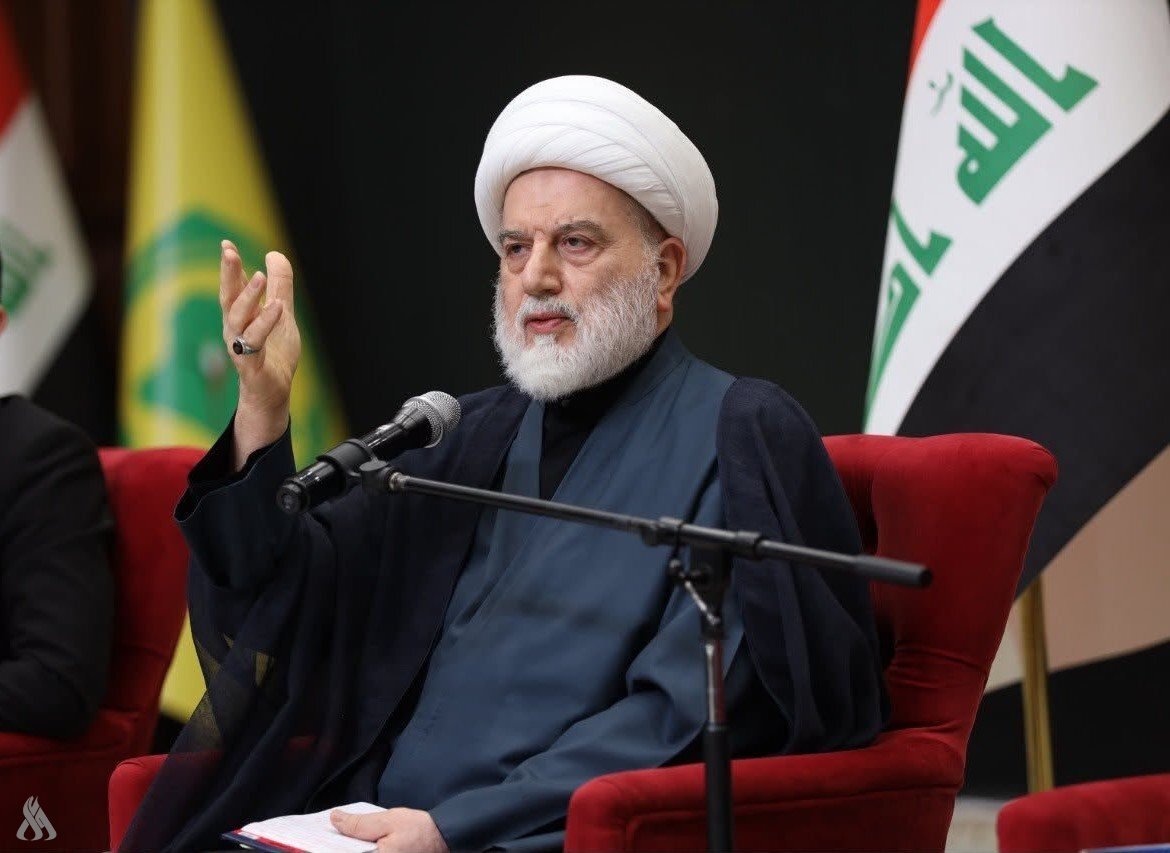
AhlulBayt News Agency (ABNA): Sheikh Humam Hamoudi, the head of Iraq's Supreme Islamic Council, stated in remarks on Monday, "The Arbaeen march is a great humanitarian and moral issue, formed on the basis of sincere love for Imam Hussain (a.s.) and a genuine connection with his reformist movement."
He added, "The secret to the permanence and global expansion of Arbaeen is that this movement is not merely a religious ritual, but a living manifestation of love, loyalty, and adherence to the values of truth, justice, and human dignity."
Sheikh Hamoudi, referring to the presence of millions of pilgrims from various countries in Karbala, stated, "The massive wave of pilgrims moving toward Karbala, and the spirit of sacrifice, voluntary service, and devotion seen along this path, reflect the creative spirit of the Iraqi people in expressing love for Imam Hussain (a.s.) and their pride in serving his pilgrims; an unparalleled scene that displays the highest manifestations of solidarity, sincerity, and human cooperation."
Praying for the pilgrims to benefit from the intercession of Imam Hussain (a.s.), he emphasized, "The message of the Hussaini movement must become a common issue for all Muslims, because the school of Imam Hussain (a.s.) is a school for steadfastness on principles, firmness in positions, and courage in confronting oppression and tyranny."
The head of Iraq's Supreme Islamic Council noted, "Ashura and Arbaeen, throughout history, have institutionalized the culture of dignity, resistance, and the rejection of submission in the conscience of the Islamic Ummah."
Sheikh Hamoudi also expressed regret over the restrictions and pressures imposed on the followers of the AhlulBayt (a.s.) in Bahrain, and said, "Preventing the holding of religious rites and pressuring Bahrain's Shiites is a concerning action, and social issues must be resolved through dialogue and respect for religious freedoms, because repressive policies only deepen crises."
In another part of his remarks, he referred to the widespread presence of people at the funeral ceremony of the martyred leader and described it as a sign of his special place among the people.
Sheikh Hamoudi stated, "The widespread presence of people at this ceremony reflected their loyalty to a figure who, in their view, symbolized the revival of the dignity of the Islamic Ummah and strengthening the confidence of nations in their ability to confront challenges and enemies."
He concluded by emphasizing, "Nations always immortalize leaders who give them hope, dignity, and self-confidence."
**************
End/ 345E



